Author: admin

  • Aftercare Is Treatment-Specific: A Safer Recovery Checklist

    Aftercare Is Treatment-Specific: A Safer Recovery Checklist

    There is no single aftercare routine for every laser, peel, injectable or device. Use the clinic’s written instructions, know the expected recovery range and keep a clear route for follow-up.
    Draft editorial guide. General information only; final medical review is required before publication.
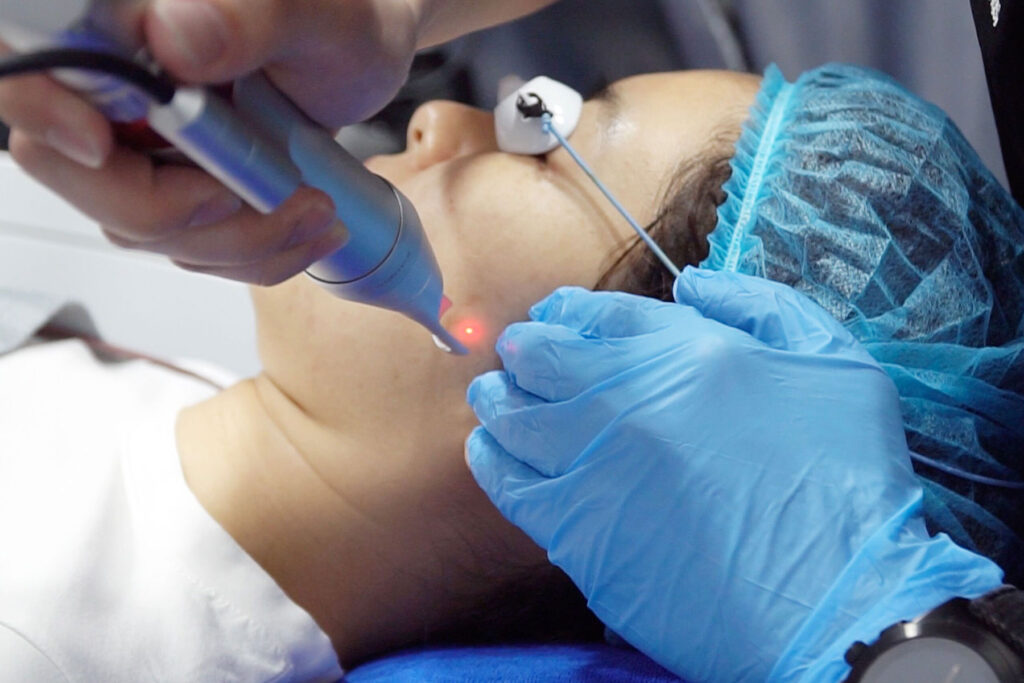
    Close-up clinical aesthetic treatment shown for editorial context
    In brief

    Your treatment name, depth, area, skin response and medical history shape aftercare. Before leaving, confirm what is expected, which products and activities to avoid, when normal routines can resume and what symptoms require a call or urgent medical attention.

    Why generic aftercare lists can be unsafe

    A superficial facial and an energy-based procedure do not affect the skin in the same way. Injectable treatment has different considerations again. Even within one device category, settings, treatment depth and body area can change the expected recovery.

    Social-media advice often removes this context. A well-meaning tip may conflict with the treatment you actually received. Ask for instructions that name the procedure, date, area treated and clinic contact route.

    Before leaving the clinic, confirm the recovery plan

    • What sensations or visible changes are expected, and for how long?
    • Which cleanser, moisturiser, sunscreen or other products should I use?
    • Which active skincare ingredients should pause, and when can they restart?
    • Are there restrictions on heat, exercise, massage, makeup or sun exposure?
    • When is follow-up planned?
    • Who should I contact outside normal hours?

    Repeat the key instructions back in your own words. If the plan is complicated, ask for it in writing.

    Track change without constantly touching the area

    Take a clear photograph in neutral lighting if the clinic recommends monitoring. Record when symptoms began and whether they are improving, stable or worsening. Avoid picking, scratching or repeatedly testing tenderness.

    Do not add unapproved home remedies or strong active products because a friend used them successfully. Contact the clinic before changing the plan when the skin is healing.

    Know when to contact the clinic

    Expected recovery varies, so the clinic should define the normal range for your procedure. Contact the treating team promptly if a symptom is more intense than you were told to expect, is worsening rather than settling, or is accompanied by increasing pain, spreading redness, discharge, blistering, marked colour change or another concerning development.

    Seek urgent medical care for symptoms such as difficulty breathing, rapidly increasing facial or throat swelling, fainting, severe visual change, weakness or any other emergency symptom. Do not wait for a social-media reply.

    Use the follow-up to improve the plan

    Follow-up is not only for showing a result. It is a chance to review healing, compare photographs, discuss side effects and decide whether the interval, settings or treatment choice should change.

    Do not rush into an additional session because early swelling has settled or because progress feels slow. The appropriate review point depends on the procedure and the tissue response.

    A final reminder about outcomes

    Healing and results vary. A careful aftercare routine can support recovery, but it cannot guarantee a particular outcome or remove the inherent risks of treatment. Informed consent should include the possibility that a treatment may need modification, additional follow-up or no further treatment.

    Continue exploring

    All treatment areas →Prepare for a consultation →Back to Insights →
    — Ask the clinic

    Keep the clinic’s contact route close during recovery.

    For treatment-specific advice, contact the team that assessed and treated you. The Damansara WhatsApp line is 011-3341 0688.

    Book a consultation
  • How to Prepare for an Aesthetic Consultation

    How to Prepare for an Aesthetic Consultation

    Preparation does not mean choosing a treatment before you arrive. It means bringing enough context for the doctor to understand your concern, your health and the trade-offs you are comfortable with.

    Draft editorial guide. General information only; final medical review is required before publication.
    Reception area at NextMed Clinic Damansara KL
    In brief

    The most useful preparation is honest context. Write down your main concern, medical history, medicines, supplements, skincare, previous procedures, allergies and any important life events. Bring questions about alternatives, risks, downtime, cost and follow-up.

    Define the concern without diagnosing yourself

    It is helpful to describe what you notice, when it began and how it changes. You do not need to arrive with a device, injectable or product already selected. “I have darker patches that worsen after sun exposure” gives the doctor more useful information than “I need three pico sessions.”

    Choose one or two priorities for the first visit. If several concerns are discussed at once, ask the doctor to rank them and explain which should be addressed first.

    Bring a clear health and treatment history

    Write down current medicines and supplements, allergies, pregnancy or breastfeeding status, important medical conditions and previous reactions to treatment. Include prescribed and non-prescribed products.

    For a skin consultation, bring your current skincare or clear photographs of the labels. For hair concerns, note when shedding or thinning began and any recent illness, stress, weight change or hormonal event. For weight management, prepare a realistic history rather than only your current number on the scale.

    Previous aesthetic treatment

    Share dates, areas treated, product or device names if known and any unwanted effects. This information can affect timing, safety and whether another procedure should be postponed.

    Use photographs carefully

    Consistent photographs can show change over time. Use similar lighting, distance and angle; avoid filters. Bring photographs of a previous reaction if it has resolved before the appointment.

    Inspiration images can help explain a preference, but another person’s anatomy cannot define your result. Ask what would look proportionate and realistic for you.

    Prepare questions that support informed consent

    The American Academy of Dermatology recommends asking about the practitioner’s experience, the available alternatives, realistic results, risks, number of sessions, recovery time, preparation and aftercare. Add practical questions that matter in your own life.

    • What do you think is causing or contributing to this concern?
    • What happens if I do nothing for now?
    • What non-procedural or lower-downtime alternatives exist?
    • What are the common and serious risks?
    • How will progress be reviewed?
    • What total commitment of time, aftercare and follow-up should I expect?

    Give yourself permission not to decide immediately

    A consultation is an information-gathering step. You can ask for a written plan, review the risks and consider your budget or schedule before proceeding. A clinician should be comfortable explaining why a treatment may not be appropriate.

    If a prescription medicine is discussed, the decision belongs to the assessing doctor after eligibility review and informed consent. A webpage, promotion or friend’s experience cannot establish suitability.

    Before visiting the Damansara branch

    Confirm the appointment time, doctor and service availability directly with NextMed Clinic Damansara KL. The branch is at 11-G, Plaza Damansara, Jalan Medan Setia 1, Bukit Damansara, 50490 Kuala Lumpur. If you have been given preparation instructions for a specific procedure, follow those instructions rather than this general guide.

    Continue exploring

    Meet the doctors →Visit NextMed Clinic Damansara KL →Back to Insights →
    — Ask the clinic

    Prepare your questions, then start with a consultation.

    WhatsApp the Damansara branch to confirm the current doctor, service and appointment availability.

    Book a consultation
  • Pico Laser Consultation Checklist: 10 Questions to Ask

    Pico Laser Consultation Checklist: 10 Questions to Ask

    Pico laser is a technology rather than a diagnosis. A responsible consultation should explain what is being targeted, why this device is being considered and how the plan accounts for your skin history.

    Draft editorial guide. General information only; final medical review is required before publication.
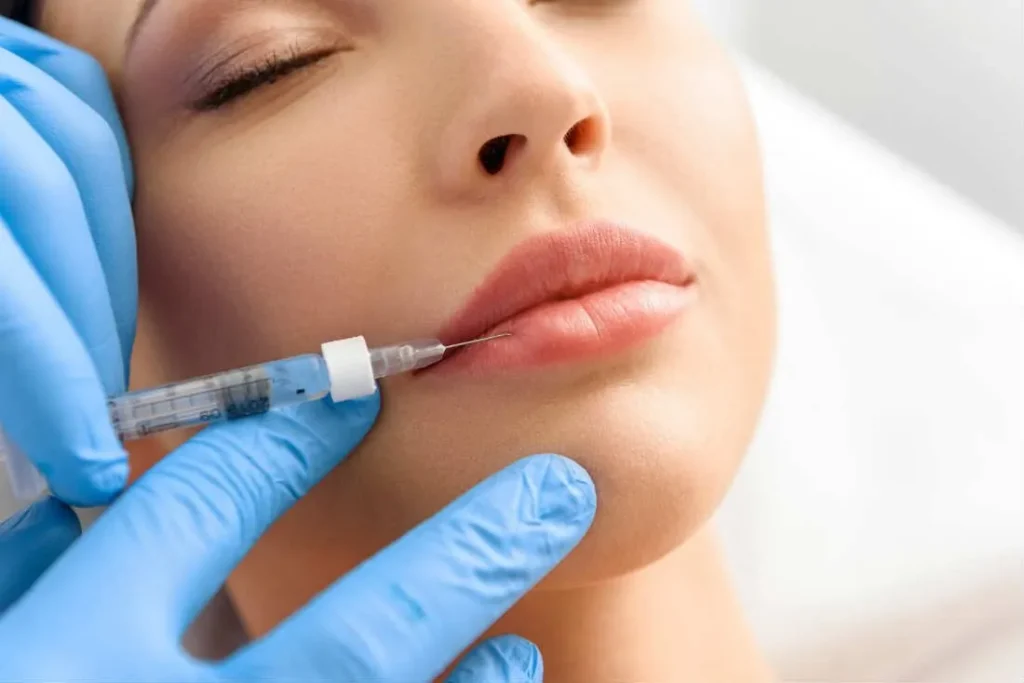
    doctor performing an aesthetic procedure
    In brief

    Do not begin with “How many sessions?” Begin with the diagnosis, intended target and why pico technology is being considered instead of another approach. Then clarify operator experience, risks, aftercare, review timing and the possibility that the plan may change.

    1–3. Clarify the target and the reason for the device

    1. What concern are we treating?

    Ask whether the target is a discrete sunspot, post-acne pigmentation, melasma, tattoo ink, texture or another concern. Conditions that look similar can behave differently.

    2. What diagnosis supports that target?

    A treatment plan should be based on an assessment, not only on the device that happens to be available.

    3. Why pico laser rather than another option?

    Skincare, chemical peels, radiofrequency-based care, another laser or no procedure may be more appropriate in some situations. Ask what alternatives were considered.

    4–6. Understand the operator, parameters and your skin history

    4. Who will perform the treatment?

    Ask about the practitioner’s credentials and experience with the specific concern and with skin tones similar to yours.

    5. How are wavelength, energy and treatment area selected?

    You do not need to become a laser engineer, but the clinician should be able to explain how parameters relate to the intended target and your skin.

    6. What health and skin history should I share?

    Discuss recent sun exposure, pregnancy, infection, medicines, isotretinoin history, tendency to pigment after irritation, previous laser reactions, cold sores and any other factor requested by the clinician.

    7–8. Plan for discomfort, downtime and aftercare

    7. What might I feel or see afterward?

    Redness, sensitivity, swelling, crusting or pigment change can vary with the treatment performed. Ask for the expected range and which signs would be unusual.

    8. What should I change before and after the session?

    Request written, treatment-specific instructions covering skincare, sun exposure, heat, exercise and when products can be restarted. Do not rely on a generic social-media checklist.

    9–10. Set review points and realistic expectations

    9. How will progress be reviewed?

    Ask what the clinician will photograph or measure, when review is useful and what would cause the settings, interval or overall approach to change.

    10. What is a realistic endpoint?

    Laser may improve a concern without removing it completely. Melasma can recur, acne scars may need combination care and results vary between people. Ask the clinician to describe a realistic range rather than a guaranteed result.

    A consultation is part of laser safety

    The American Academy of Dermatology advises that medical consultation is important before laser treatment because skin type, scar characteristics, medicines and overall health can affect safety and outcome. A clinic should be willing to slow down, answer questions and explain why treatment should be postponed when the skin is not ready.

    At NextMed Clinic Damansara KL, current device, practitioner and appointment availability should be confirmed directly with the branch before booking.

    Continue exploring

    Pico Laser in Damansara KL →Pigmentation & melasma consultation →Back to Insights →
    — Ask the clinic

    Bring better questions to your laser consultation.

    The Damansara team can confirm current device and doctor availability, then arrange an assessment before any treatment decision.

    Book a consultation
  • Acne Marks or Acne Scars? Why the Difference Matters

    Acne Marks or Acne Scars? Why the Difference Matters

    A flat red or brown mark after a breakout is not the same as a depression or raised scar. Understanding the difference helps set safer expectations and avoids treating every post-acne concern with the same tool.

    Draft editorial guide. General information only; final medical review is required before publication.
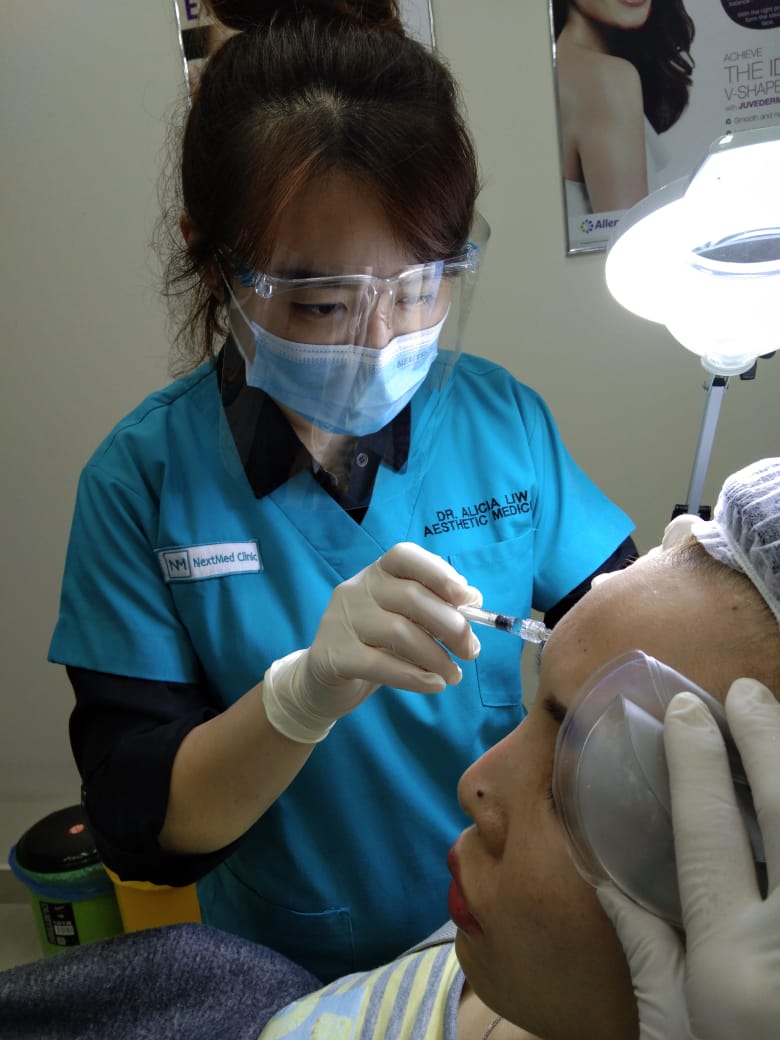
    Clinician carrying out a skin-focused procedure
    In brief

    Colour, texture and active acne are three separate assessment questions. Flat post-acne marks can fade, while structural scars reflect a change in the skin. Many people have more than one scar pattern, and active breakouts may need attention before scar-focused treatment.

    Start with three different post-acne concerns

    After acne settles, the skin may show colour change, uneven texture or both. A flat pink, red, brown or grey area is usually a mark rather than a true scar. A scar changes the structure of the skin: it may sit below the surrounding surface, rise above it or pull the surface into an uneven contour.

    This distinction matters because pigment, redness and structural change do not respond in the same way. Treating “acne scars” as one single problem can lead to unrealistic expectations or a procedure that does not match the main concern.

    Flat marks: colour without a change in texture

    Post-inflammatory hyperpigmentation can appear after the inflammation from a breakout settles. In lighter skin, a mark may look pink or red; in medium and deeper skin tones it may appear brown, purple or grey. The area is flat when you run a finger over it.

    The American Academy of Dermatology notes that these flat spots are often mistaken for permanent scars. They can fade with time, although the process may be slow. Sun exposure, repeated inflammation and irritation may make colour changes more noticeable.

    Questions worth asking

    • Is this pigment, persistent redness or a structural scar?
    • Is active acne still creating new marks?
    • Could my current skincare be irritating the area?
    • How will sun protection and maintenance fit into the plan?

    True scars: changes in the skin’s structure

    Depressed scars are commonly described as ice-pick, boxcar or rolling scars. Raised scars form when healing tissue produces excess collagen. These patterns can exist together, and the same person may also have flat post-inflammatory marks.

    Scar type, depth, location, skin tone, current acne and previous treatment all affect the discussion. A doctor may consider more than one approach because a single device is rarely equally suited to every scar pattern.

    Why active acne often comes first

    Scar-focused treatment does not stop new breakouts. If acne remains active, a plan may begin by controlling inflammation and reducing the risk of further scarring. This also gives the clinician a clearer view of the texture that remains after breakouts settle.

    Bring a list of current skincare, supplements and medicines to the consultation. Mention recent procedures and any history of dark marks, prolonged redness or raised scars after injury.

    Prepare for a useful consultation

    Take photographs in consistent lighting if the concern changes over time. Think about what improvement would matter most: fewer new breakouts, lighter marks, smoother makeup application or a reduction in the depth of particular scars. These are more useful goals than expecting completely “poreless” or scar-free skin.

    Ask how progress will be measured, what downtime you can realistically accommodate and what would make the doctor change the plan. Improvement varies, and complete removal of established scars should not be assumed.

    Continue exploring

    Acne & acne scar consultation →Pigmentation & melasma consultation →Back to Insights →
    — Ask the clinic

    Not sure whether you are seeing a mark or a scar?

    A face-to-face assessment can separate active acne, colour change and structural scarring before treatment options are discussed.

    Book a consultation