
Aftercare Is Treatment-Specific: A Safer Recovery Checklist
There is no single aftercare routine for every laser, peel, injectable or device. Use the clinic’s written instructions, know the expected recovery range and keep a clear route for follow-up.
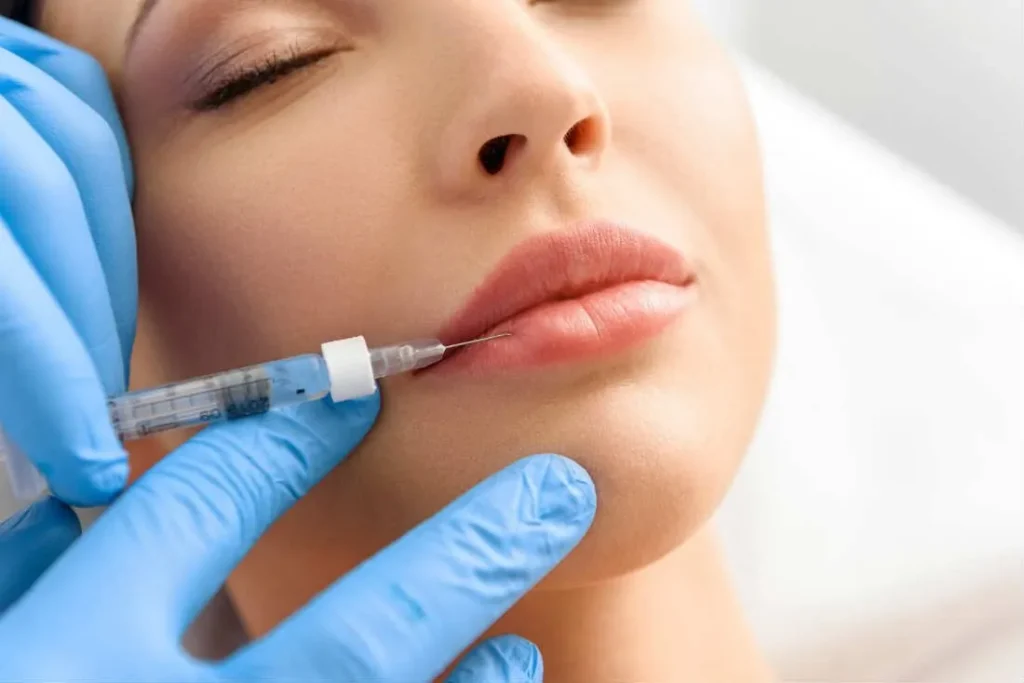
Your treatment name, depth, area, skin response and medical history shape aftercare. Before leaving, confirm what is expected, which products and activities to avoid, when normal routines can resume and what symptoms require a call or urgent medical attention.
Why generic aftercare lists can be unsafe
A superficial facial and an energy-based procedure do not affect the skin in the same way. Injectable treatment has different considerations again. Even within one device category, settings, treatment depth and body area can change the expected recovery.
Social-media advice often removes this context. A well-meaning tip may conflict with the treatment you actually received. Ask for instructions that name the procedure, date, area treated and clinic contact route.
Before leaving the clinic, confirm the recovery plan
- What sensations or visible changes are expected, and for how long?
- Which cleanser, moisturiser, sunscreen or other products should I use?
- Which active skincare ingredients should pause, and when can they restart?
- Are there restrictions on heat, exercise, massage, makeup or sun exposure?
- When is follow-up planned?
- Who should I contact outside normal hours?
Repeat the key instructions back in your own words. If the plan is complicated, ask for it in writing.
Track change without constantly touching the area
Take a clear photograph in neutral lighting if the clinic recommends monitoring. Record when symptoms began and whether they are improving, stable or worsening. Avoid picking, scratching or repeatedly testing tenderness.
Do not add unapproved home remedies or strong active products because a friend used them successfully. Contact the clinic before changing the plan when the skin is healing.
Know when to contact the clinic
Expected recovery varies, so the clinic should define the normal range for your procedure. Contact the treating team promptly if a symptom is more intense than you were told to expect, is worsening rather than settling, or is accompanied by increasing pain, spreading redness, discharge, blistering, marked colour change or another concerning development.
Seek urgent medical care for symptoms such as difficulty breathing, rapidly increasing facial or throat swelling, fainting, severe visual change, weakness or any other emergency symptom. Do not wait for a social-media reply.
Use the follow-up to improve the plan
Follow-up is not only for showing a result. It is a chance to review healing, compare photographs, discuss side effects and decide whether the interval, settings or treatment choice should change.
Do not rush into an additional session because early swelling has settled or because progress feels slow. The appropriate review point depends on the procedure and the tissue response.
A final reminder about outcomes
Healing and results vary. A careful aftercare routine can support recovery, but it cannot guarantee a particular outcome or remove the inherent risks of treatment. Informed consent should include the possibility that a treatment may need modification, additional follow-up or no further treatment.
Sources and further reading
American Academy of Dermatology — Questions before cosmetic treatment
American Academy of Dermatology — Acne scar consultation and treatment
Continue exploring
Keep the clinic’s contact route close during recovery.
For treatment-specific advice, contact the team that assessed and treated you. The Damansara WhatsApp line is 011-3341 0688.
Book a consultation