
Pico Laser Consultation Checklist: 10 Questions to Ask
Pico laser is a technology rather than a diagnosis. A responsible consultation should explain what is being targeted, why this device is being considered and how the plan accounts for your skin history.
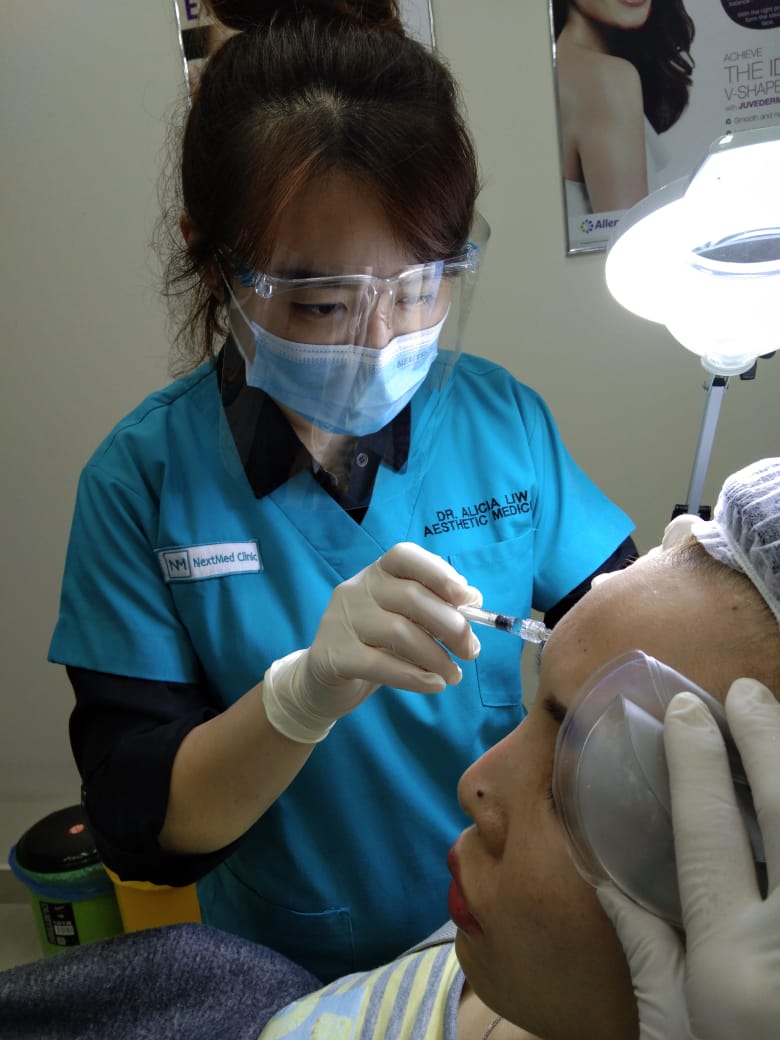
Do not begin with “How many sessions?” Begin with the diagnosis, intended target and why pico technology is being considered instead of another approach. Then clarify operator experience, risks, aftercare, review timing and the possibility that the plan may change.
1–3. Clarify the target and the reason for the device
1. What concern are we treating?
Ask whether the target is a discrete sunspot, post-acne pigmentation, melasma, tattoo ink, texture or another concern. Conditions that look similar can behave differently.
2. What diagnosis supports that target?
A treatment plan should be based on an assessment, not only on the device that happens to be available.
3. Why pico laser rather than another option?
Skincare, chemical peels, radiofrequency-based care, another laser or no procedure may be more appropriate in some situations. Ask what alternatives were considered.
4–6. Understand the operator, parameters and your skin history
4. Who will perform the treatment?
Ask about the practitioner’s credentials and experience with the specific concern and with skin tones similar to yours.
5. How are wavelength, energy and treatment area selected?
You do not need to become a laser engineer, but the clinician should be able to explain how parameters relate to the intended target and your skin.
6. What health and skin history should I share?
Discuss recent sun exposure, pregnancy, infection, medicines, isotretinoin history, tendency to pigment after irritation, previous laser reactions, cold sores and any other factor requested by the clinician.
7–8. Plan for discomfort, downtime and aftercare
7. What might I feel or see afterward?
Redness, sensitivity, swelling, crusting or pigment change can vary with the treatment performed. Ask for the expected range and which signs would be unusual.
8. What should I change before and after the session?
Request written, treatment-specific instructions covering skincare, sun exposure, heat, exercise and when products can be restarted. Do not rely on a generic social-media checklist.
9–10. Set review points and realistic expectations
9. How will progress be reviewed?
Ask what the clinician will photograph or measure, when review is useful and what would cause the settings, interval or overall approach to change.
10. What is a realistic endpoint?
Laser may improve a concern without removing it completely. Melasma can recur, acne scars may need combination care and results vary between people. Ask the clinician to describe a realistic range rather than a guaranteed result.
A consultation is part of laser safety
The American Academy of Dermatology advises that medical consultation is important before laser treatment because skin type, scar characteristics, medicines and overall health can affect safety and outcome. A clinic should be willing to slow down, answer questions and explain why treatment should be postponed when the skin is not ready.
At NextMed Clinic Damansara KL, current device, practitioner and appointment availability should be confirmed directly with the branch before booking.
Sources and further reading
American Academy of Dermatology — Questions before cosmetic treatment
American Academy of Dermatology — What to know before laser scar treatment
Continue exploring
Bring better questions to your laser consultation.
The Damansara team can confirm current device and doctor availability, then arrange an assessment before any treatment decision.
Book a consultation
Leave a Reply